What a solar roof changed about our print costs
Large-format printing is an energy business wearing a design business costume.
- 1 min read
- 11 September 2026
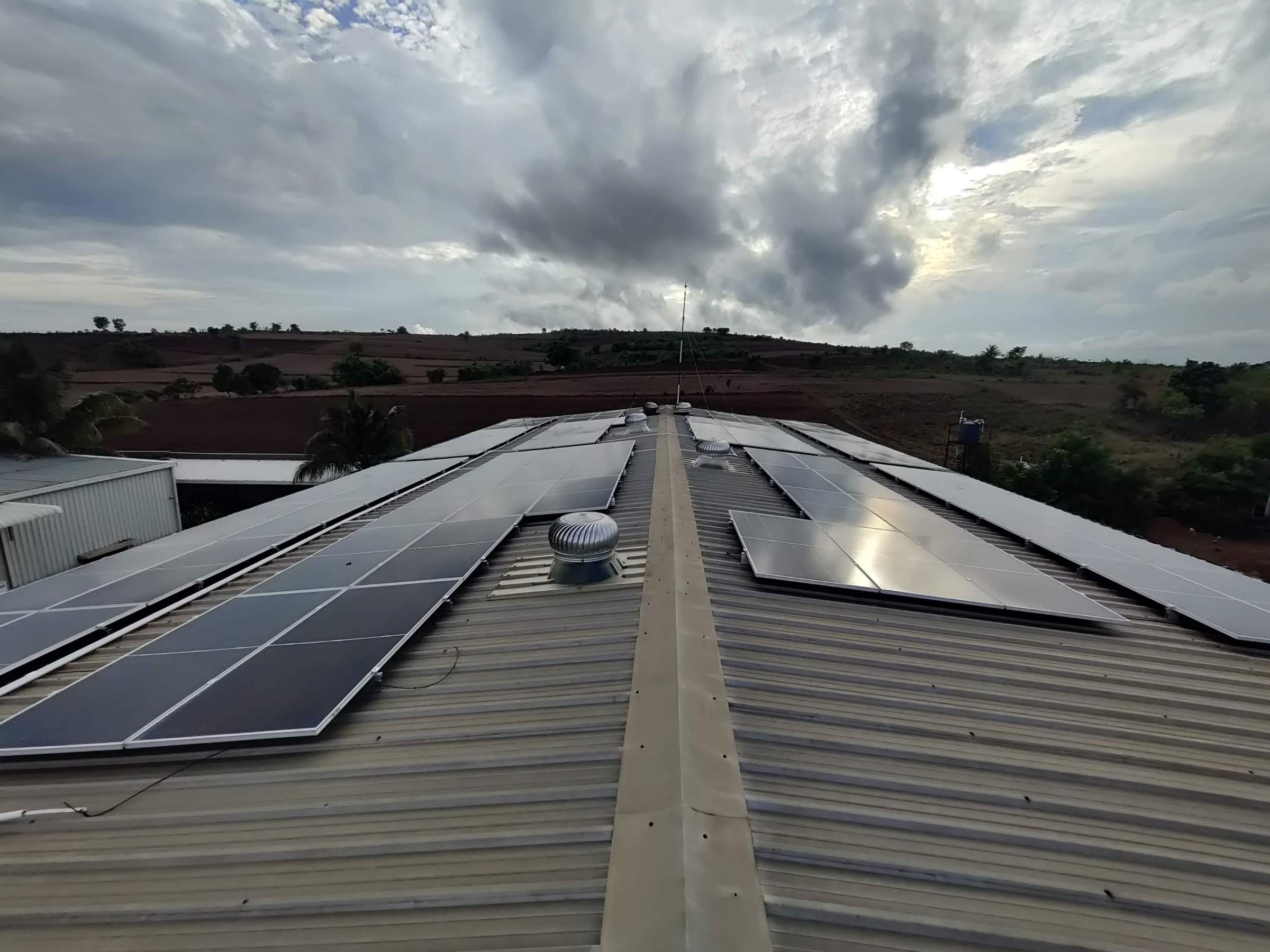
It is easy to think of large-format printing as a design activity that happens to involve a machine. Run a production floor for a while and you learn it is closer to the opposite: an energy business that happens to produce graphics.
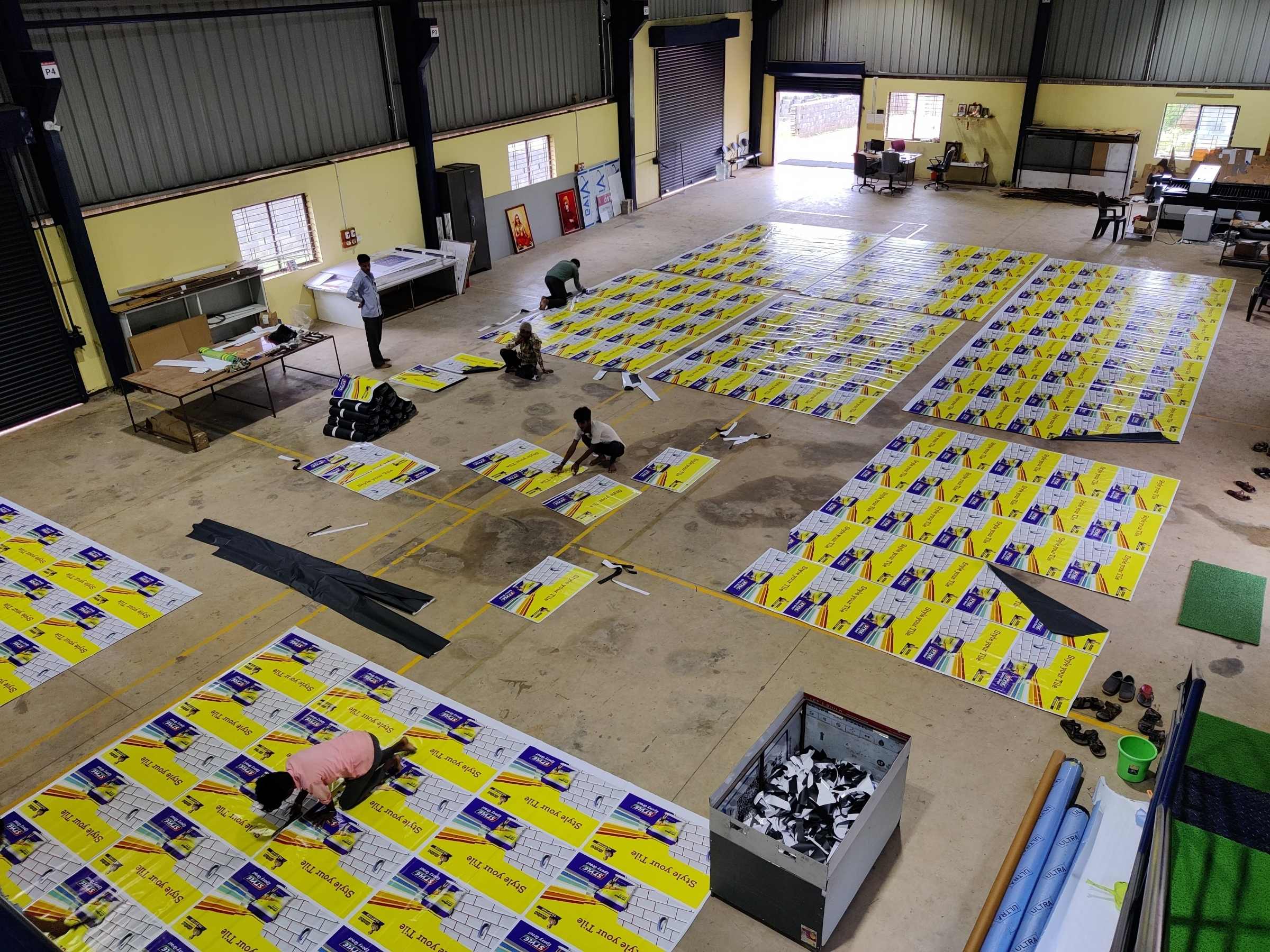
UV curing lamps draw power continuously through a run. So do the compressors feeding the beds, the extraction over the print hall, and the lighting you need if you are going to check colour honestly. None of it is optional and none of it is small.
Putting solar on the shed roof was the least interesting capital decision we have made. No customer asked for it. It does not show up in a sample. It made no difference to what comes off the bed.
What it did change is the shape of our costs. A large share of the floor's daytime draw now comes off the roof, which means a long print run in April costs roughly what a long print run in November costs. In a business where quotes hold for weeks and jobs slip by months, predictable is worth more than cheap.
There is a second effect we did not plan for. Procurement teams at larger clients increasingly ask for supplier environmental data — sometimes as a scored line in a tender, sometimes just as a question a sustainability lead has been told to ask. Being able to answer it with a roof rather than a paragraph has quietly won us work.
The HP Latex inks we print with carry the manufacturer’s GREENGUARD Gold certification. The roof was the missing half of that story. If your procurement team needs the note, ask and we will send it.
Procurement asking for supplier environmental data?
Tell us what it's for and we'll send the note.