Bank signage is not regular signage. ATM lobbies, branch facades, and BFSI premises operate under a layered framework where the Reserve Bank of India sets brand visibility and customer protection expectations, the Indian Banks Association issues operational guidance, the bank's own risk and operations teams add internal standards, and the regulator audits compliance during routine inspection. For procurement teams running multi-state ATM and branch programs, signage is one of the most regulated visible surfaces in the entire branch design.
The RBI's expectations on customer-facing communication at ATMs and branches focus on disclosure, accessibility, and grievance redress. Every ATM is expected to display the operating bank's identity clearly, the customer service phone number for failed transactions, the bank's grievance redress contact, the RBI Ombudsman scheme reference, and notice of any service charges levied for the transaction. Branches are expected to display similar grievance redress information, the branch manager's name, the working hours, and the bank's customer rights notices. These mandatory disclosures are not signage in the marketing sense — they are regulatory communication that procurement signage teams are responsible for executing correctly.
The practical implication is that an ATM lobby has at minimum four categories of signage. The bank's brand identity on the facade and inside the lobby. The functional ATM machine signage including transaction guidance and security warnings. The mandatory regulatory disclosures including the RBI Ombudsman reference and customer service numbers. And the safety and accessibility signage including the wheelchair accessibility notice if applicable, fire safety information, and emergency exit guidance. A single ATM lobby refresh project requires coordinating all four categories with the bank's compliance, brand, operations, and facilities teams. Procurement that treats it as a single signage scope without this internal coordination produces deliverables that fail compliance review.
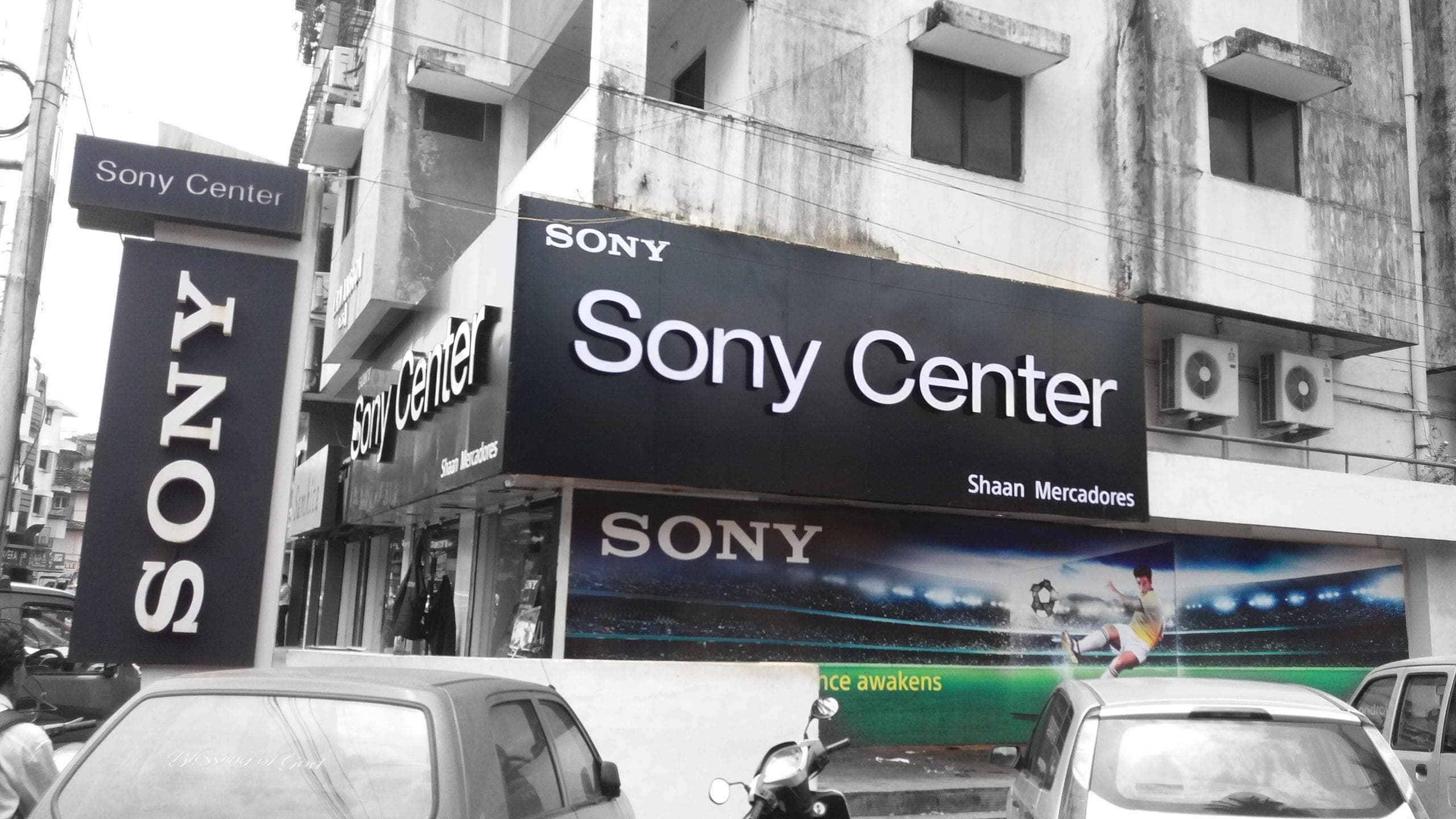
Brand signage on bank premises is governed by the bank's own design manual, which typically specifies the corporate colours, the approved logo lock-up, the approved fonts, the minimum and maximum sizes for the logo, the clear-space requirement around the logo, the approved illumination type and intensity, and the approved materials. The design manuals for the major Indian public sector and private banks have all been updated in the last five years to reflect refreshed brand identities; vendors using outdated artwork files are a common cause of rework. Procurement should require the vendor to confirm in writing the version of the brand manual being followed and the date of the artwork master file.
Illumination on bank facades has become more sensitive in recent years. The RBI does not directly regulate illumination, but municipal outdoor advertising bye-laws in most cities now restrict the brightness, the operating hours, and the dynamic content of illuminated signage. Banks running LED signage on branch facades need to comply with these municipal rules. The brand manual usually gives a specific recommendation; the procurement signage team needs to validate that the local municipal cap is not lower than the brand specification. Where there is a conflict, the municipal rule wins.
ATM siting brings additional considerations. The RBI's white-label ATM and on-site ATM frameworks include security expectations on enclosure, lighting, and CCTV coverage. Signage that obstructs CCTV camera coverage of the ATM keypad area is a security audit finding. Signage that creates a blind spot inside the ATM lobby is a security audit finding. Procurement should require the vendor to share the proposed signage layout against the existing CCTV coverage plan before installation; this single review eliminates the most common audit observation in ATM lobby refresh projects.
Accessibility signage at bank premises is governed by the Rights of Persons with Disabilities Act and the harmonised guidelines for accessible buildings. The standards cover tactile flooring at the entrance, Braille signage at key locations, contrast and font size for visual signage, and audible cues at service counters. Banks are progressively retrofitting branches and ATM lobbies to meet these standards, and procurement signage teams are increasingly being asked to deliver Braille and tactile elements alongside conventional signage. Sourcing Braille signage from vendors who can certify the dot height and spacing against the harmonised guideline is a specialised capability that not every signage vendor offers.
Security signage at branches and ATMs includes the warning notices on tampering with the ATM, the maximum cash withdrawal limit notice, the do-not-share-PIN warning, and the suspicious-activity reporting number. The wording of these notices is typically standardised by the bank's security operations team. Procurement should not treat the wording as creative copy — the security team's draft is the version that goes onto the signage, and any deviation is a security policy violation.
The AMC dimension is particularly important for BFSI signage. A bank branch facade signage that fails during a holiday weekend is a brand visibility issue and a customer perception issue. An ATM lobby illuminated signage that goes dark in a low-footfall area is a security concern because criminals avoid well-lit ATMs. The standard AMC SLA for BFSI signage is usually a four-hour response time for metro locations and a twenty-four-hour response time for non-metro locations, with same-day or next-day rectification. The AMC framework on /amc supports these SLAs through regional installation teams, which is the operational structure required to honour BFSI service expectations.
For procurement teams running ATM and branch signage programs, the documentation file that the bank's internal audit will eventually request includes the brand manual reference confirming artwork compliance, the layout drawing confirming non-obstruction of CCTV coverage, the regulatory disclosure copy with version control showing the current RBI-compliant text, the accessibility specification for Braille and tactile elements, the illumination certificate showing compliance with municipal limits, the AMC contract showing response and rectification SLAs, and the installation completion photographs at each site. This file is the response to the next RBI inspection question on customer-facing premises.
The broader trend in BFSI signage is consolidation toward fewer national vendors with deeper compliance capacity. Banks are reducing the number of signage vendors they work with from regional sprawls of fifty or sixty smaller suppliers to a curated panel of ten or fifteen national vendors who can handle multi-state rollouts under a single quality and compliance regime. The vendor selection criteria are dominated by ISO 9001 certification, demonstrated BFSI experience, pan-India installation footprint, and AMC capability. The practical implication for new vendors trying to enter the BFSI panel is that the entry bar has risen significantly; the practical implication for existing BFSI vendors is that depth and consistency are now more valued than the lowest unit price.
An additional category that deserves attention is signage at currency chest locations and back-office processing centres. These are bank premises that handle cash in bulk and that are subject to additional security requirements beyond the customer-facing branch standard. Signage at these locations is deliberately understated; the bank's identity is often not displayed externally to avoid drawing attention to the cash storage. The internal signage focuses on operational wayfinding, security zone demarcation, and access control. Procurement vendors working on currency chest scope need to follow the bank's security protocol on photography, drawing handling, and on-site presence; a vendor whose installer takes a casual photograph of the location may inadvertently breach security policy.
The summary view is that BFSI signage compliance is not a single checklist but an interlocking set of regulatory, brand, operational, and security requirements. Procurement teams that treat it as a unified compliance scope, with a vendor capable of operating across all four dimensions, deliver projects that survive RBI inspection. Procurement teams that decompose it into separate work streams under different vendors create coordination problems that surface only during audit.