Hospitality signage is judged at the moment a guest walks in tired from a flight, or at midnight looking for the gym. The standard is uncompromising — the sign either guides without being noticed or it fails. Most hotels under-invest in this category and then over-invest in trying to fix it. The right approach starts with understanding that hospitality signage is three distinct disciplines wearing one coat: brand identity at the touchpoints, wayfinding through the property, and operational signage that staff and guests share.
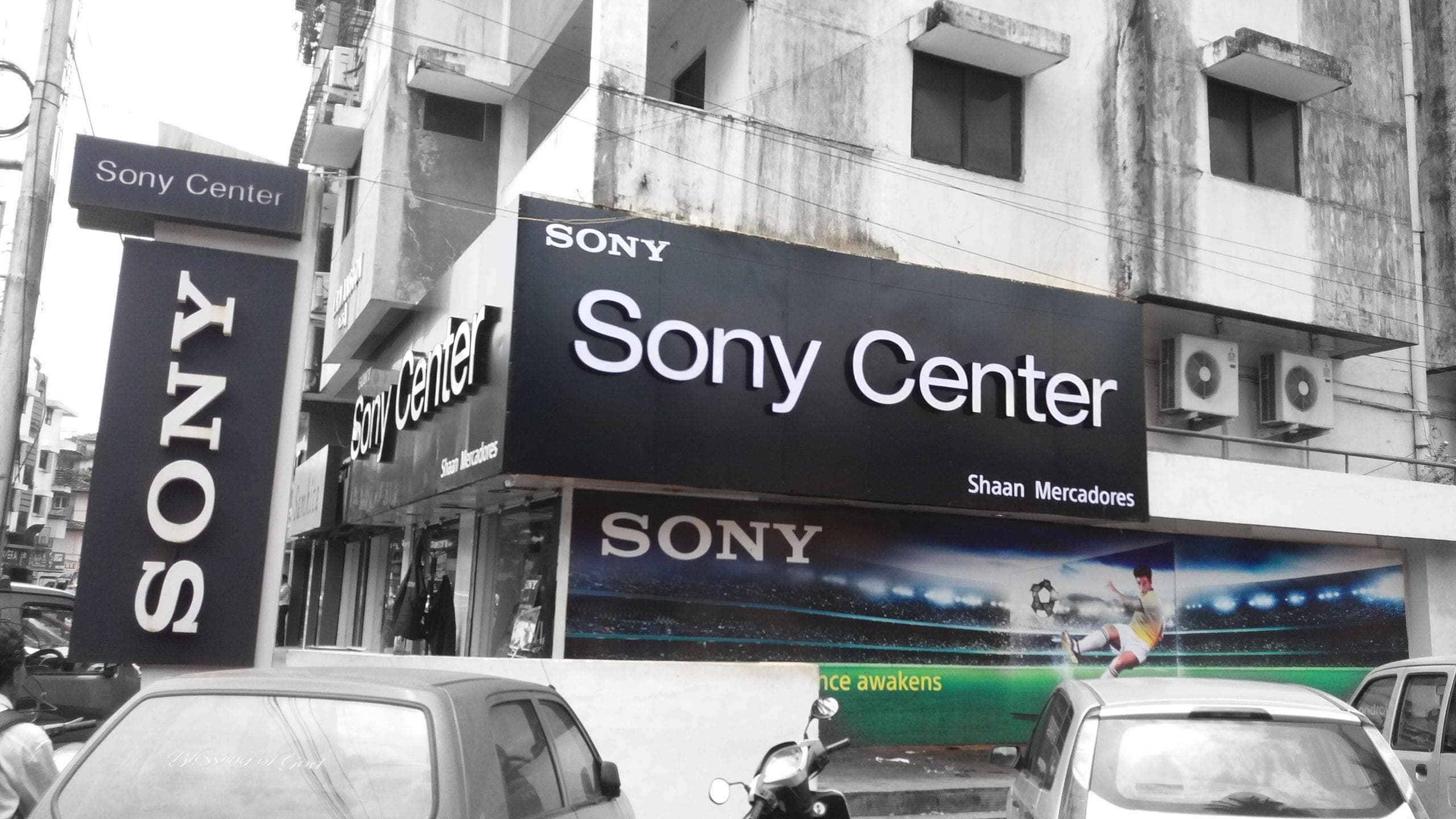
The lobby is where brand identity peaks and where the wrong vendor choice becomes most visible. A hotel lobby identity sign — the wordmark behind reception, the property name on the porte-cochère, the brand mark above the elevator bank — is not just signage; it's an architectural element. The substrate has to be correct for the lighting design, the proportions have to align with the architectural module, and the finish has to read correctly under the warm-temperature ambient lighting that most lobbies use. Brushed brass, satin stainless steel, blackened brass, fluted glass with sub-surface printing, and increasingly back-painted glass with halo-illuminated lettering are the materials of the moment. None of them are cheap and none of them tolerate sloppy fabrication.
The failure mode in lobby signage is almost always the join. A wordmark made of individually-mounted letters has to have absolutely consistent letter-spacing, perfectly aligned bottom edges, and identical mounting depth from the wall. A 0.5mm error reads as sloppy across a five-meter wordmark. The fabricator has to be using laser-cut letters, individually mounted on a template-based jig, with surface protection during installation. The vendors who can deliver this consistently are not many; the ones who can are typically the ones who have done it before and have the photographs to prove it.
Wayfinding is the discipline that hotels routinely under-design. The guest arriving at a property has to navigate from the porte-cochère to reception, from reception to the elevator, from the elevator lobby on their floor to their room number, from their room back to the elevator, and then from the lobby to the breakfast room, the gym, the spa, the pool, the conference rooms, and the parking. Each of these journeys is a chain of decision points. A wayfinding system has to anticipate every decision point and provide a clear next-step indication. Most hotels skip this analysis and end up with a directional sign at the elevator lobby that doesn't quite match the directional sign at the reception that doesn't quite match the suite-of-rooms sign on the corridor.
Good wayfinding starts with a route map analysis. For each guest segment — leisure check-in, business check-in, returning guest, conference attendee, banquet guest, spa-only guest — what are the journeys, what are the decision points, what does the guest need to see at each one. The signage system that emerges is then a hierarchy: primary wayfinding for the major intersections, secondary for the in-corridor moments, tertiary for the in-room and amenity-level details. Each level has its own typography scale, mounting standard, and materials palette, and they all read as one system.
Illumination on wayfinding matters at night and in low-light corridors. A directional sign that is invisible at 6am or 11pm has failed. The standard is either edge-lit acrylic with low-temperature LED at constant illumination, or photo-sensitive auto-illumination that comes on as ambient light drops. The brief should specify light levels at each location, day and night, and the wayfinding luminance should be tested against those levels.
Room numbers are the most-touched signage in any hotel and the most under-specified. A door plate with the room number, a side-of-door indication for housekeeping, a dial-back for accessibility (Braille and tactile lettering for wheelchair users) — these need to read clearly in low corridor light, survive being bumped by luggage carts, and not become grimy after eighteen months of cleaning. Brushed stainless steel with sub-surface printing or chemically-etched lettering, mounted with concealed standoffs, is the durable choice. The cheap version with adhesive vinyl on acrylic looks fine on day one and looks tired by month six.
Operational signage is the back-of-house and the regulatory layer. Fire exit signs, emergency wayfinding, accessibility markings, restroom identification, smoking and no-smoking zones, the staff-only doors. Most of this is governed by fire code and accessibility regulation, and the standards are non-negotiable. The hotel's facilities manager should know which standards apply (typically a combination of NBC fire safety standards, the appropriate accessibility standard for the jurisdiction, and the brand-standards manual if it's a chain). The fabricator should be able to deliver to those standards without the facilities manager having to teach them.
The restaurant and amenity touchpoints are where brand expression and wayfinding overlap. The menu board at the all-day-dining entrance, the spa identity sign, the gym signage, the conference room titling — each of these has to read as part of the property's brand while functioning as wayfinding. Hotels that do this well treat the amenity signage as a distinct signage tier with its own materials palette but tied back to the master typography and colour standards. Hotels that do this badly let each amenity become its own visual island.
Materials in hospitality are about durability under cleaning. Hotel cleaning protocols are aggressive — daily wipe-downs of public area signage with disinfectant, weekly deeper clean with chemical agents, periodic touch-up. The signage has to survive this for five-plus years without yellowing, without lettering lift, without finish degradation. Cast acrylic with sealed edges, anodised aluminium, brushed stainless steel, and back-painted glass are the durable choices. Adhesive vinyl on standard acrylic is not, regardless of how good it looks on opening day.
The annual maintenance question is real. A 200-room property with full wayfinding, brand signage, and operational signage has roughly 600 to 1,000 individual signage pieces. Over five years, roughly five to ten percent of these will need replacement or refurbishment due to wear, accidental damage, or operational change (a meeting room renamed, an amenity rebranded, a regulatory update). An /amc programme that includes scheduled inspection, photographic documentation of condition, replacement-pack maintenance, and emergency response to incidents is correct for this scale. Hotels that try to manage this in-house typically end up with a tired-looking signage portfolio after year three.
The practical advice for a hotel facilities head or design manager briefing a vendor is to think in tiers. Tier one is the lobby identity and architectural-grade brand pieces — spend correctly, choose a fabricator with proven hospitality experience, and don't compromise on the join quality. Tier two is the wayfinding system — invest in route map analysis upfront, build the hierarchy, illuminate correctly. Tier three is the operational and regulatory signage — meet the standards, choose durable materials, document compliance. Tier four is the amenity touchpoints — tie back to the brand system. Across all four, build an AMC relationship from day one. The /works portfolios of fabricators with hospitality experience are worth a careful look — the projects that age well are not accidents, they are the result of a brief that thought beyond the opening photograph.