Channel letter signage — the freestanding three-dimensional letters mounted on retail facades, mall fascias, and corporate buildings — is built in three primary material systems: aluminium, acrylic-only, and stainless steel. Each builds a different sign with a different cost profile, install method, and warranty story. Procurement teams who default to one system across every site lose money on the high-end builds and lose life expectancy on the low-end ones.
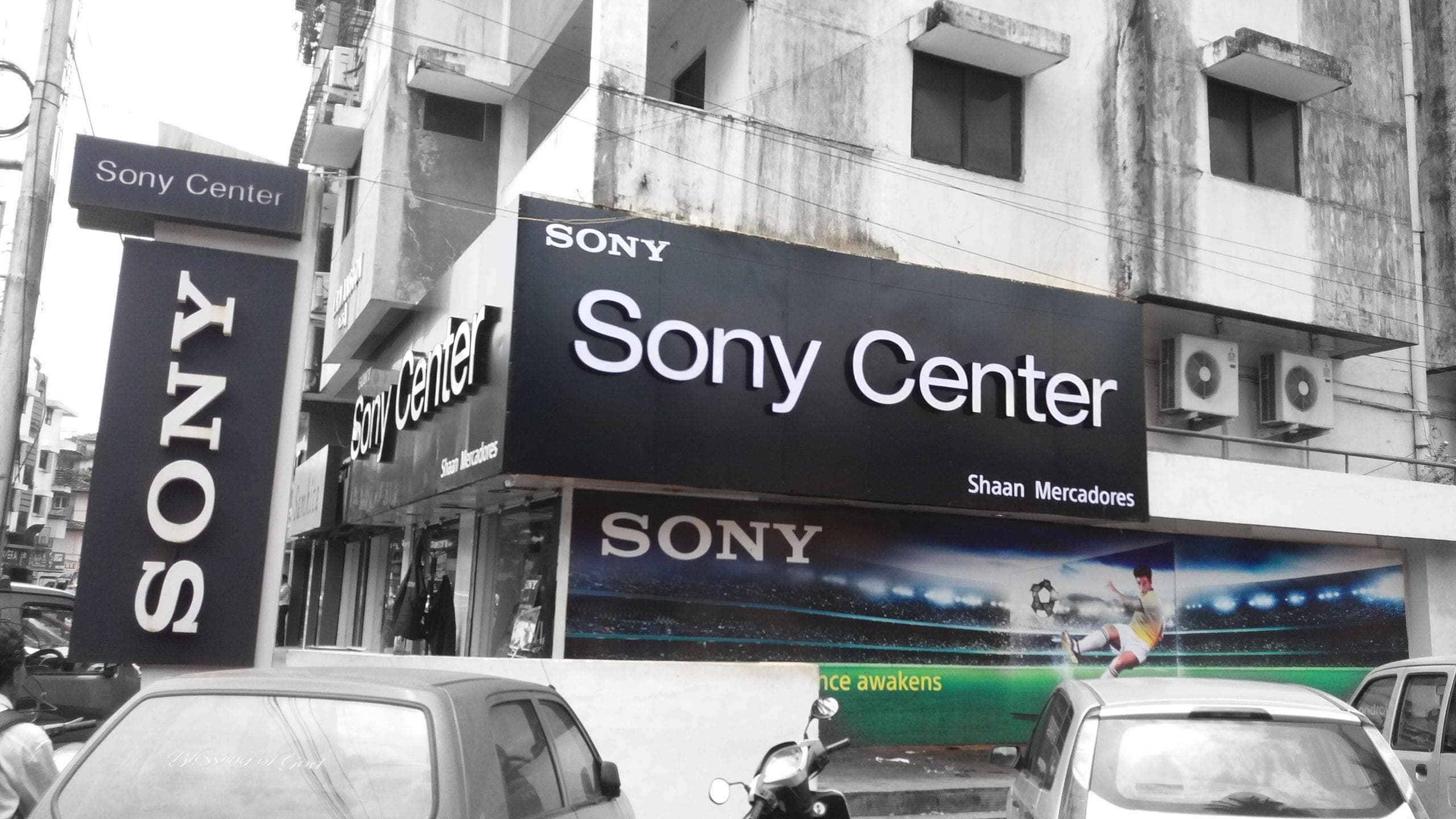
Aluminium channel letters are the workhorse standard. The construction uses a 1.0 mm to 1.5 mm aluminium return formed into the letter shape, a flat aluminium back face, and an acrylic or polycarbonate front face for the lit area. The aluminium is typically anodised or powder-coated to colour. Inside the letter cavity sit LED modules wired back to a power supply mounted in the wall cavity or in a dedicated trunking behind. The trim cap — the moulded plastic edging that holds the front face into the return — is the visible band around each letter and is where colour matching and edge quality are judged. Aluminium is corrosion-resistant in most environments, lightweight, and easy to fabricate to crisp letter forms. It is the right material for the great majority of retail signage in India.
Acrylic-only letter construction — sometimes called acrylic block letters or face-lit acrylic — uses cast acrylic for both the face and the side returns. The letters are typically built up by laser-cutting or routing each face from sheet, then bonding the returns to the face with solvent cement or methacrylate adhesive. The result is a letter with no metal in it. LEDs are mounted to a back panel that is then attached behind the assembled acrylic letter. The look is premium: edges glow cleanly, the side returns can be lit (halo or face-and-side), and colour options include solid through-coloured acrylic that does not fade. The trade-off is fragility — a brick or a falling object will break an acrylic-only letter in a way that will not damage an aluminium-return letter — and higher cost per square foot.
Stainless steel channel letters are the high-end specification. The return is fabricated from 0.8 mm to 1.2 mm stainless sheet, typically grade 304 with a brushed (4N), mirror polish, or hairline finish. The face is acrylic or, in the case of a halo-lit reverse-channel letter, the back face is acrylic translucent and the face itself is a brushed stainless skin. Halo lighting throws light onto the wall behind the letter, creating the silhouette glow that is characteristic of premium corporate identity work — bank head offices, premium retail, and luxury hotel signage. Stainless construction adds 60 to 100 percent over aluminium on the same letter set, but the finish quality and corrosion resistance is on a different level. For coastal Goa, Mumbai, and Chennai installs, stainless is the safer long-term spec.
The lighting decision lives inside the construction decision. Front-lit letters (FLW) use LED modules behind a translucent face — the most common, cheapest, brightest. Halo-lit or reverse-channel letters (RCW) mount the LEDs against the back face of the letter shining onto the wall — premium look, lower visual punch, requires a 25 mm to 50 mm standoff from the wall. Front-and-halo (FLW + RCW combination) doubles the LED cost and is reserved for flagship signage.
LED module spacing matters. For a 100 mm depth aluminium return with a translucent acrylic face, the typical spec is 3-LED modules at 150 mm centres for even illumination without hot spots. Stretch the spacing beyond 200 mm and you see banding — bright zones near the modules and dimmer gaps between. For deeper returns the spacing can be wider; for shallower returns (50 mm) the spacing should be tighter. Module wattage runs 0.7 to 1.5 watts each, voltage 12 V DC standard, IP rating IP67 for outdoor use. Reject any quote that does not specify the LED brand, module wattage, IP rating, and warranty period — the LED is the most likely failure point in the entire sign.
Trim cap colour matching. The trim cap is a moulded edging that comes in standard colours from the manufacturer (Gemini, US Trimcap, or local equivalents). For brand-critical work where the trim must match the brand colour exactly, you specify a custom trim or you skip the trim entirely with a flush-mounted face — a more difficult build that requires precise routing and a watertight bond. Flush-mounted is the premium specification on stainless letters and on some halo-lit acrylic-only builds.
Mounting and electrical access. Channel letters mount via threaded studs welded or bonded to the back face, passing through the wall to a back-of-wall plate. The wiring runs through a hole in the centre of each letter, gathered into a wire trough mounted behind the letter row, terminating at a power supply (LED driver) sized for the load with 20 percent headroom. The driver should be in an accessible enclosure for service — never sealed into the wall cavity. We always include a service hatch detail on the install drawing, and document the driver location on the AMC handover sheet — see /amc for the format.
Cost benchmarks May 2026, per square foot of letter face area, fabricated and lit, install included, Karnataka and adjacent states. Aluminium FLW with acrylic face and standard LED: rupees 950 to 1300. Acrylic-only block letters lit: 1300 to 1700. Stainless 304 FLW with brushed finish: 1900 to 2500. Stainless 304 halo-lit reverse channel: 2200 to 2900. Add 15 percent for premium colour finishes (powder-coat custom RAL, mirror polish stainless), 25 percent for flush-mounted no-trim build.
The procurement checklist. Material grade in writing. Return depth in mm. Face material and thickness. LED module brand, wattage, spacing, IP rating, and warranty. Driver brand and warranty. Trim cap colour code or flush-mount specification. Mounting detail and substrate consideration (RCC, brick, ACP, glass curtain wall — each needs a different mounting system). Wire routing and driver location. Service access. Get all of this in the technical bid and you will compare quotes that are actually comparable.
A few additional considerations that come up during evaluation. The visual proportion of letter return depth to letter height matters for night-time appearance. Standard rule of thumb: return depth should be roughly 15 to 20 percent of letter height. A 600 mm tall letter looks correct with 90 to 120 mm return depth. Shallower returns produce a flatter, less premium night appearance because the side walls do not glow at the edges. Deeper returns add cost and weight without proportional visual benefit beyond 25 percent of letter height. The exception is halo-lit reverse channel letters where deeper returns produce a more dramatic backlight glow on the wall — for these, return depth can go up to 30 percent of letter height.
Acrylic face thickness should be matched to letter size. Letters under 300 mm tall: 3 mm cast acrylic face is sufficient. Letters 300 to 600 mm tall: 4.5 mm. Letters 600 to 900 mm tall: 6 mm. Letters over 900 mm tall: 8 mm or laminated multi-sheet construction. Under-thickness face on a large letter will bow outward over time as the acrylic relaxes, particularly in heat. Over-thickness face on a small letter is unnecessary cost and reduces the visual sharpness of the lit edge.
Mounting on glass curtain walls is a special case worth flagging. Direct fastener-through-glass mounting is not acceptable — it voids the glass warranty and risks thermal cracking. The two acceptable methods are spider-mount with stainless brackets clamped to the curtain wall mullions (no penetration of the glass) and adhesive-mount with VHB tape rated for the load and the substrate. Spider-mount is the structurally robust choice for any letter over 1 metre. Adhesive-mount is acceptable for smaller decorative signage with the manufacturer's load tables consulted. Document the mounting detail in the bid — vendors who handwave this question should be eliminated.
We supply the full spec sheet by default — see the corporate signage capabilities on /services and project examples on /works. Send your design intent and site survey to /contact for a per-letter spec quote.